
Luxury today is no longer defined solely by objects, spectacular spaces or access to the rare. It lies in the quality of human connection, attention to detail and the feeling of being understood without having to explain yourself.
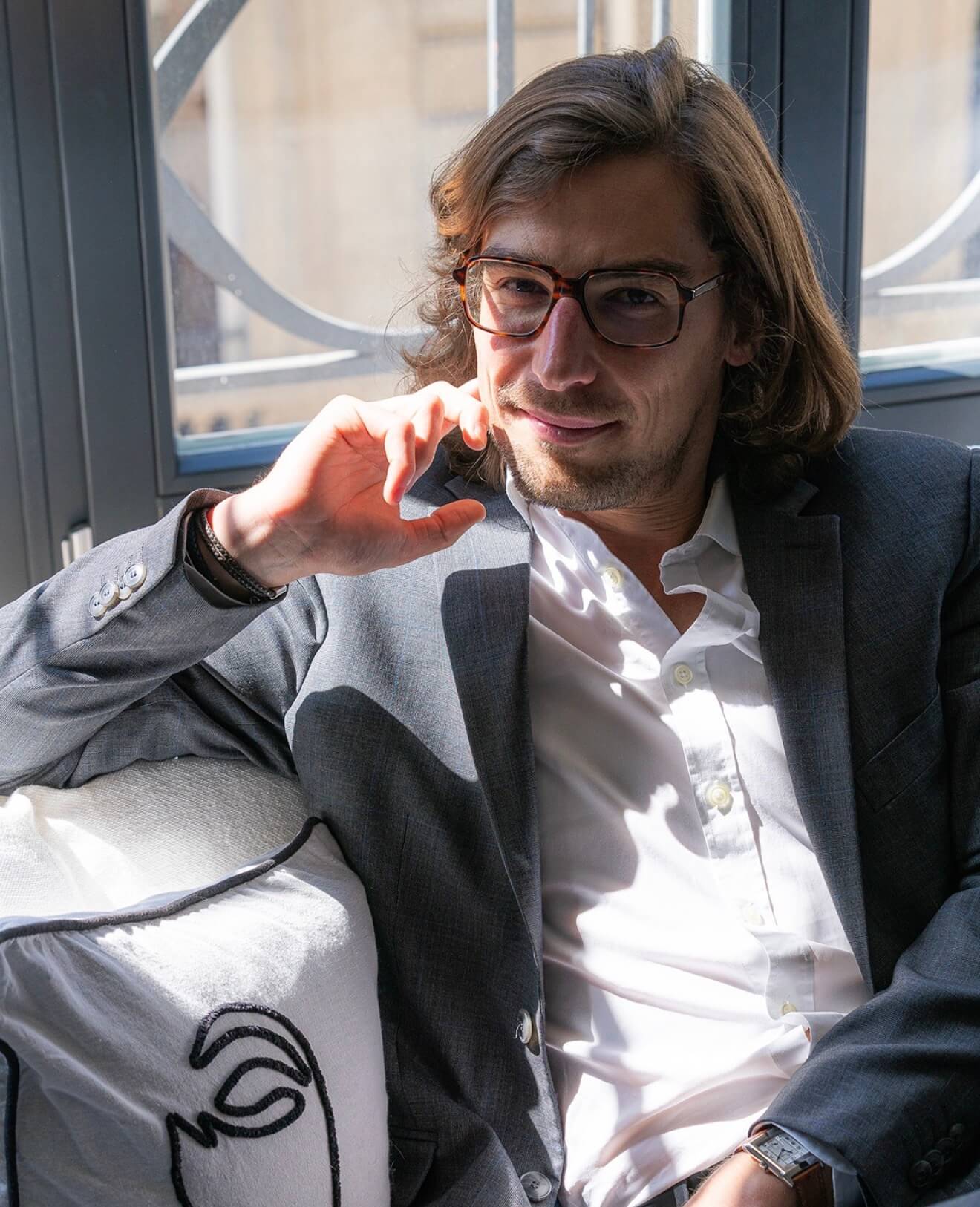
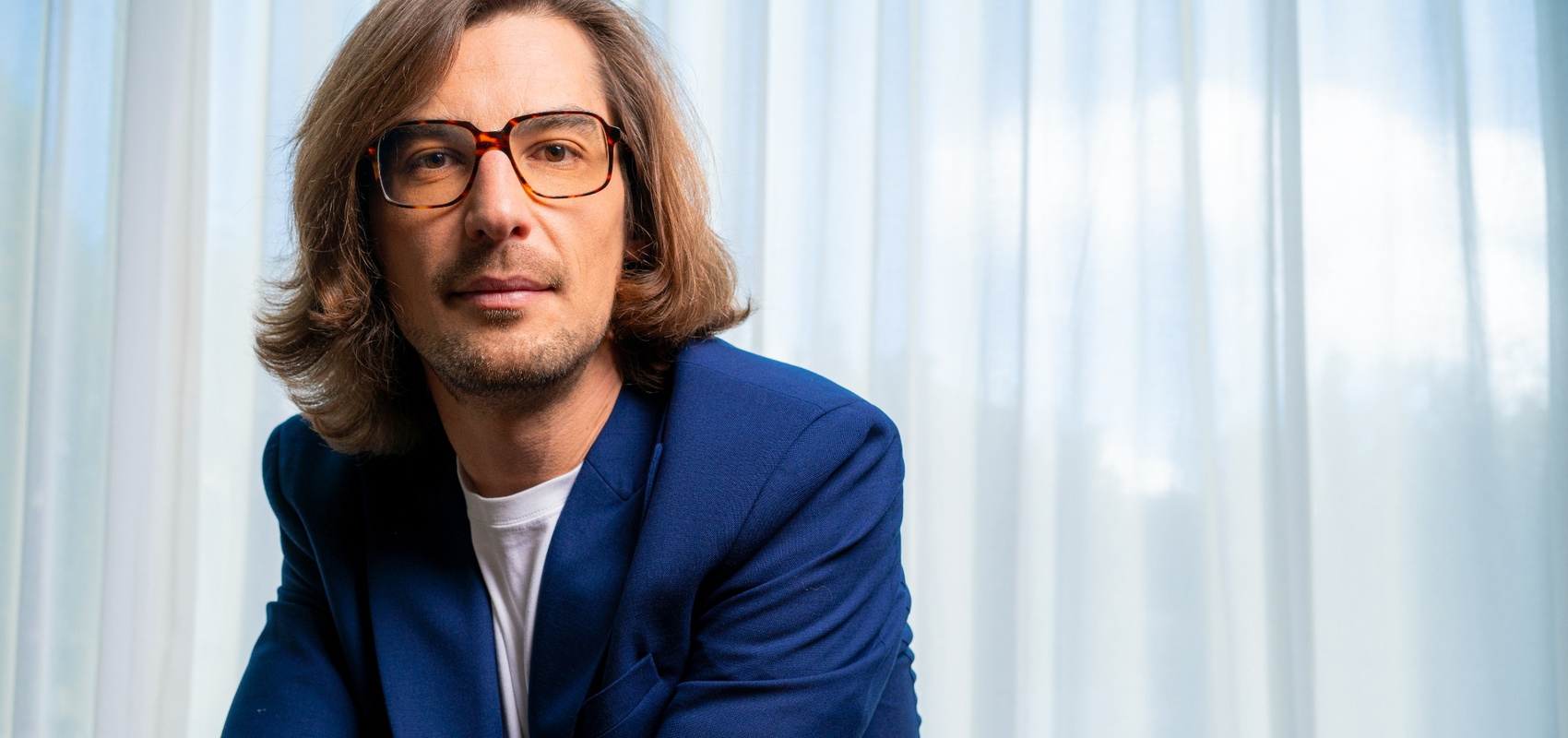
With retail embedded in his family history for four generations and a career spanning Printemps Haussmann and strategic consulting, Nicolas Rebet has developed a distinctive perspective on the contemporary luxury experience. Through Retailoscope, he has worked with some of the industry’s most renowned Maisons and groups, including Cartier, Chanel, Hermès, L’Oréal Luxe, LVMH and Richemont.
In his interview with GREC VOYAGE, he discusses the soul of physical spaces, the “human premium”, quiet technology, what hospitality can learn from luxury retail, and why Greece must protect what makes it genuinely distinctive.
Retail runs in your family for four generations, and your career has taken you from Printemps Haussmann to jewellery and consulting. How did those experiences shape the way you look at the physical store today?
I grew up in a shop, with the idea that retail is, first and foremost, an everyday human business. Four generations of my family were merchants, so the store was never an abstract concept to me. It was a place where you welcome people, understand them, sell of course, but also build trust and relationships. Even though I was a child, I still clearly remember some of the clients who used to come to my parents’ shop, and I would sometimes serve them myself.
Working at Printemps Haussmann gave me another perspective. I experienced retail from the inside, at a very operational level, in one of Europe’s most iconic department stores. This is really where I learned about luxury and, of course, luxury retail in all its complexity.
Then fashion jewellery taught me something completely different: the pressure and constraints of the mass market, the balance between volume and value, and clients who were very different from those I had encountered at Printemps.
Today, when I enter a store, I never look only at the design. I look at what is actually happening between the space, the product, the team and the client. A beautiful store that creates no relationship is still an empty shell.
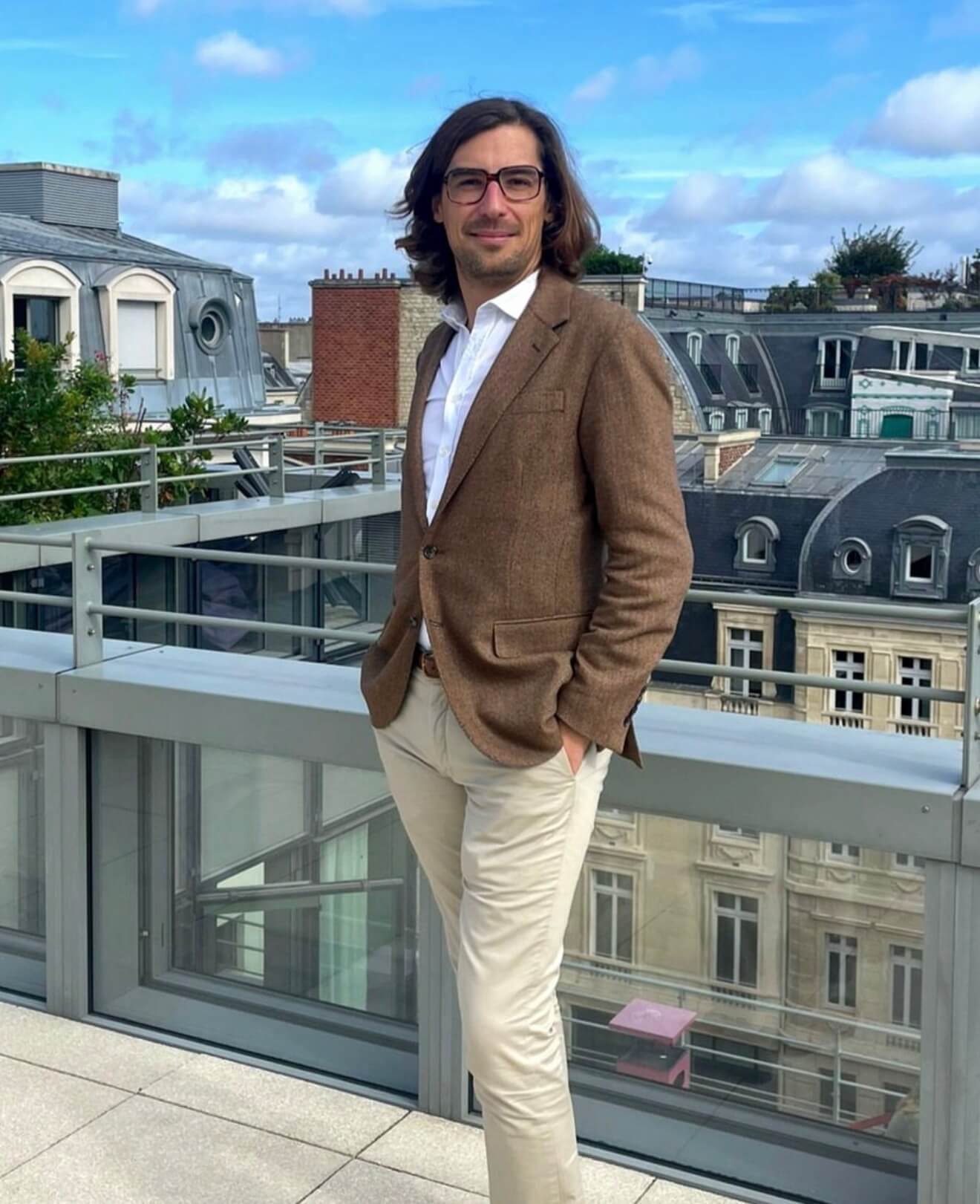
Retailoscope began in 2019 as a social-media project and became a consultancy in 2020. At what point did you realise that your observations of retail could become a strategic tool for luxury houses?
Retailoscope started on Instagram as a personal project. I was travelling, visiting stores, looking at what was changing in retail and sharing what I found interesting.
Very quickly, I realised that the value was not really in showing a beautiful new boutique. It was in understanding why something worked, what it revealed about the evolution of luxury, and what another Maison could learn from it.
The turning point came when people working within luxury Maisons started contacting me not just to see what I had discovered, but to ask me what I thought about it. That changed everything. Observation became analysis, and analysis gradually became consulting.
Retailoscope still starts with curiosity today. The difference is that this curiosity is now structured to help companies make decisions.
What gives a physical space a soul, and what makes customers actually feel it?
A boutique has a soul when it is not interchangeable with the next one.
I visit a lot of stores, and what strikes me is that many of them are very well designed, very well executed, and completely forgettable. The materials are beautiful, the lighting is controlled, the furniture is expensive, but nothing really happens. You could remove one logo and replace it with another without changing the experience.
For me, the soul is not a decorative quality. It comes from a point of view. It is the way a Maison translates its identity into space, but also into behaviour: how the client is welcomed, how the advisor speaks about the product, how much time is given to the conversation, how the store manages silence and waiting. These details are not always visible in the concept, but they are what the client remembers.
And I don’t think a boutique needs to be perfect. Sometimes the most memorable places have a certain tension, a detail that is unexpected, a material that feels less polished, or a human interaction that doesn’t follow a script. That is often what prevents the space from becoming a showroom.
The real test is simple: if I remove the logo, can I still recognise the Maison? If the answer is no, then the boutique may be beautiful, but it has not yet found its soul.
In an era when almost anything can be bought online, what must a luxury store offer today to justify the journey and become a destination in its own right?
In the luxury sector, online sales account for just over 20% of total revenue, according to Bain. This means that around 80% is still linked to an in-store experience. I always think it is important to put this figure back into perspective because, yes, e-commerce is growing, but the reality of luxury sales remains overwhelmingly physical.
The physical store therefore has to offer what a screen cannot fully reproduce: human attention, discovery, emotion, expertise, context and sometimes simply the pleasure of spending time somewhere.
But I don’t believe every boutique needs to become an attraction. Luxury has become slightly obsessed with the idea of creating “destinations”. Sometimes an extraordinary conversation with a very good advisor is more powerful than another spectacular installation.
The real question is very simple: what will the client experience here that could not have happened in exactly the same way online?
If there is no convincing answer, the store has a problem.
In one of your recent analyses, you argued that true luxury does not need to ‘do so much’ to exist. Where is the line between a meaningful experience and over-designed retail theatre?
I would distinguish between experience as a strategic expression of a Maison and experience as a compensatory layer added to retail.
The current proliferation of immersive formats reflects a legitimate ambition: to make the physical store more relevant in a world where access to products is increasingly frictionless. But it has also produced a certain inflation of the spectacular. Technology, scenography, hospitality and cultural programming are often accumulated without a sufficiently clear hierarchy. The result may be memorable in the short term, yet weak in terms of Maison meaning.
The real question is not whether an experience is impressive, but whether it is necessary. Does it deepen the client’s understanding of the Maison? Does it create a form of intimacy, knowledge or emotion that could not exist elsewhere? Does it reinforce the value of the object, or does it merely generate content around it?
This is where restraint becomes a form of sophistication. In luxury, the most powerful gestures are not always the most visible ones: the quality of a material, the precision of a welcome, the intelligence of an advisor, the confidence to leave a space unoccupied. These details create an atmosphere of assurance rather than an obligation to entertain.
The danger of over-designed retail is that it confuses attention with attachment. A client may remember an installation without having formed any deeper relationship with the Maison. The experience should therefore not function as a spectacle placed on top of the Maison’s universe. It should be the consequence of a coherent point of view, one that connects architecture, product, service and culture with enough discipline that nothing feels added merely to be noticed.
Δείτε αυτή τη δημοσίευση στο Instagram.Η δημοσίευση κοινοποιήθηκε από το χρήστη Retailoscope – Nicolas Rebet (@retailoscope)
You have also been critical of the proliferation of branded cafés when they become interchangeable. When does hospitality genuinely extend a brand universe, rather than simply create an Instagram moment?
I have nothing against branded cafés. Some are excellent. My issue is that we have reached a point where putting a logo on a cappuccino has almost become a retail strategy.
Hospitality becomes interesting when it tells you something about the Maison. The menu, the service, the tableware, the architecture, the location and even the pace of the experience should make sense within its universe.
A very simple test is to imagine replacing the logo with another one. If the concept still works perfectly, it probably wasn’t very specific to the Maison in the first place.
Hospitality can create a much deeper relationship because it allows people to spend time with a Maison without necessarily buying a product. But that only has value if the experience has a genuine point of view.
You recently examined Dior’s move from self-service digital personalisation to a more private, advisor-led experience. Does this signal a broader shift in luxury, from visible technology back to human attention, ritual and rarity?
Yes, but I wouldn’t describe it as a rejection of technology. We are moving from visible technology to what LVMH calls “quiet tech”: technology that works in the background and improves the experience without asking the client to engage with it directly.
For years, innovation in stores often meant putting the technology in front of the client: screens, tablets, interactive mirrors, self-service personalisation. It made innovation visible, but it also placed an additional responsibility on the client. In luxury, that can quickly become counterproductive. The client does not necessarily want to have technology in their hands or manage another interface. They want to be looked after.
Today, some of the most interesting technology gives the advisor better information, removes friction, facilitates personalisation and allows the human interaction to become more relevant. The advisor can take care of the technology, while the client benefits from the result without having to see or operate the system.
That is much more interesting to me. The best technology is often the technology the client does not notice, because it makes the experience feel more fluid, more precise and more personal.
In luxury, technology should rarely become the main character. The client does not need to see how sophisticated the system is. What they need to feel is that everything seems effortless, relevant and tailored to them.
“In that sense, I do think we are seeing a return to what I sometimes call the “human premium”: technology supports the relationship, but the relationship remains the experience.”
Your work on Very Important Client (VIC) relationships suggests that the rarest privilege is often the relationship rather than the product. What can luxury hotels learn from this idea when building loyalty with their best guests?
The traditional definition of privilege has often been based on access: a better room, a rare product, a private event, priority access. All of this still matters. But in the world of very important clients, access is becoming less differentiating. The real privilege is increasingly to be understood without having to constantly explain oneself.
For a hotel, this means transforming information into continuity rather than simply accumulating data. Knowing that a guest prefers a particular room is useful; understanding why they prefer it, when that preference matters and when it should not be imposed is much more sophisticated. Personalisation should not feel like surveillance or a script. It should feel like intelligence applied with discretion.
This is where hotels have a particular advantage over many other luxury sectors. A stay unfolds over time. There are several points of contact, several teams and several opportunities to create coherence: the reservation, the arrival, the room, the restaurant, the spa, the departure and the relationship after the stay. The challenge is to make these interactions feel like one continuous relationship rather than a succession of departments accessing the same guest profile.
The best hotels also understand that recognition is not the same as visibility. A guest may want to be known by the people who matter, while remaining entirely anonymous to everyone else. They may want a trusted person who can make things happen, but not a constant display of attention. The highest level of service is therefore not maximal contact; it is calibrated presence.
The paradox is that the more sophisticated the system behind the experience, the simpler it should feel to the guest. They should not see the coordination, the CRM, the internal briefings or the operational effort. They should simply feel that the hotel has remembered what matters and removed what does not.
For me, this is what “Quality Time” is ultimately about. It is not only about giving guests more time, but about protecting their time from friction, repetition and irrelevant interaction. The rarest privilege a luxury hotel can offer is therefore not another benefit. It is the feeling that one’s time, preferences and boundaries are being handled with intelligence.
You have written that high-net-worth clients do not divide their lives by sector. Could the future of luxury lie in a more fluid ecosystem connecting fashion, hospitality, gastronomy, private travel and culture?
Absolutely. Clients don’t wake up in the morning as a fashion client, become a hotel client at lunchtime and turn into an art client in the evening. They simply live their lives.
Luxury companies, on the other hand, have traditionally thought in categories and industries. That gap is becoming increasingly interesting. Fashion Maisons are moving into hospitality, hotels are developing residences, automotive companies are creating private experiences, luxury companies are entering gastronomy, wellness and culture. These boundaries will continue to blur.
But there is also a danger. Connecting luxury universes does not automatically create value. A collaboration between prestigious names is not interesting simply because the names are prestigious. The opportunity lies in understanding a client’s lifestyle and creating meaningful connections around it, not in accumulating logos around the same table.
Retailoscope combines strategic analysis with operational execution. When you enter a boutique as a consultant, what do you notice first that the average customer may never consciously see?
I usually watch before I really look. Who acknowledges the client when they enter? How long does that take? Where are the advisors positioned? Is someone available without being intrusive? What happens to a client who is waiting? Where does the eye naturally go? Is the product easy to understand? Does the space encourage conversation or simply circulation?
Then I look for contradictions. A Maison may communicate intimacy and exclusivity, for example, while creating a very transactional experience in the boutique. The interesting thing is that clients often don’t consciously identify these details, but they feel their consequences.
A customer might simply say, “I didn’t feel comfortable there.” My job is partly to understand all the small operational reasons that created that feeling.
Δείτε αυτή τη δημοσίευση στο Instagram.Η δημοσίευση κοινοποιήθηκε από το χρήστη Retailoscope – Nicolas Rebet (@retailoscope)
Looking at Greece through your professional lens, how do you assess its hospitality industry today? What do you think it does particularly well in terms of contemporary hotel design and guest experience?
I think Greece has really understood what today’s premium traveller is looking for, perhaps better than many other European destinations. What stands out to me is not only the overall quality of its hospitality offering, but also its diversity.
If we focus on the premium and luxury segments, Greece can offer very different experiences depending on the destination, the landscape and the type of traveller. You can move from highly established destinations such as Mykonos to much quieter islands, from resort hospitality to more urban experiences in Athens. This variety creates a very rich hospitality landscape.
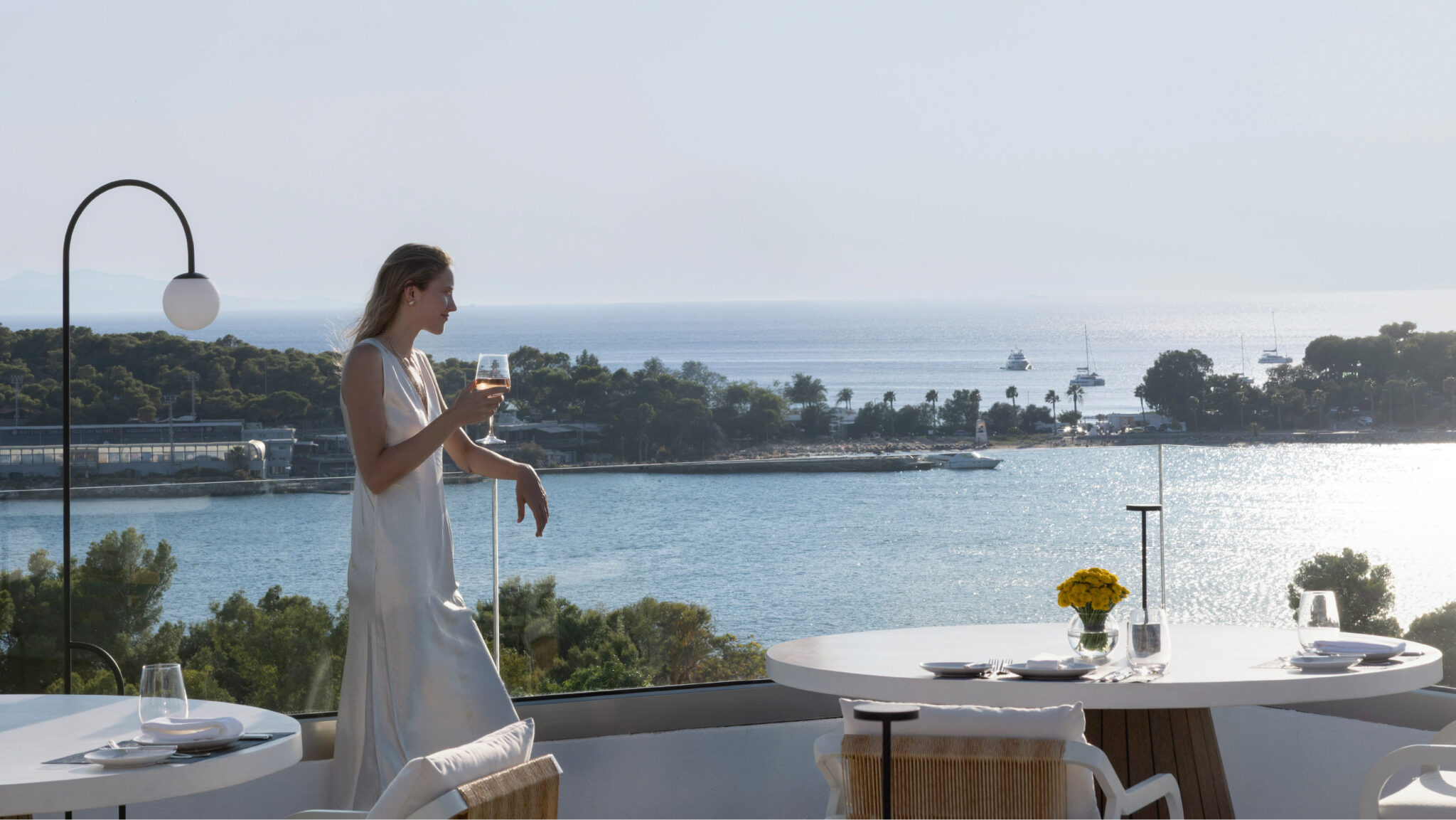
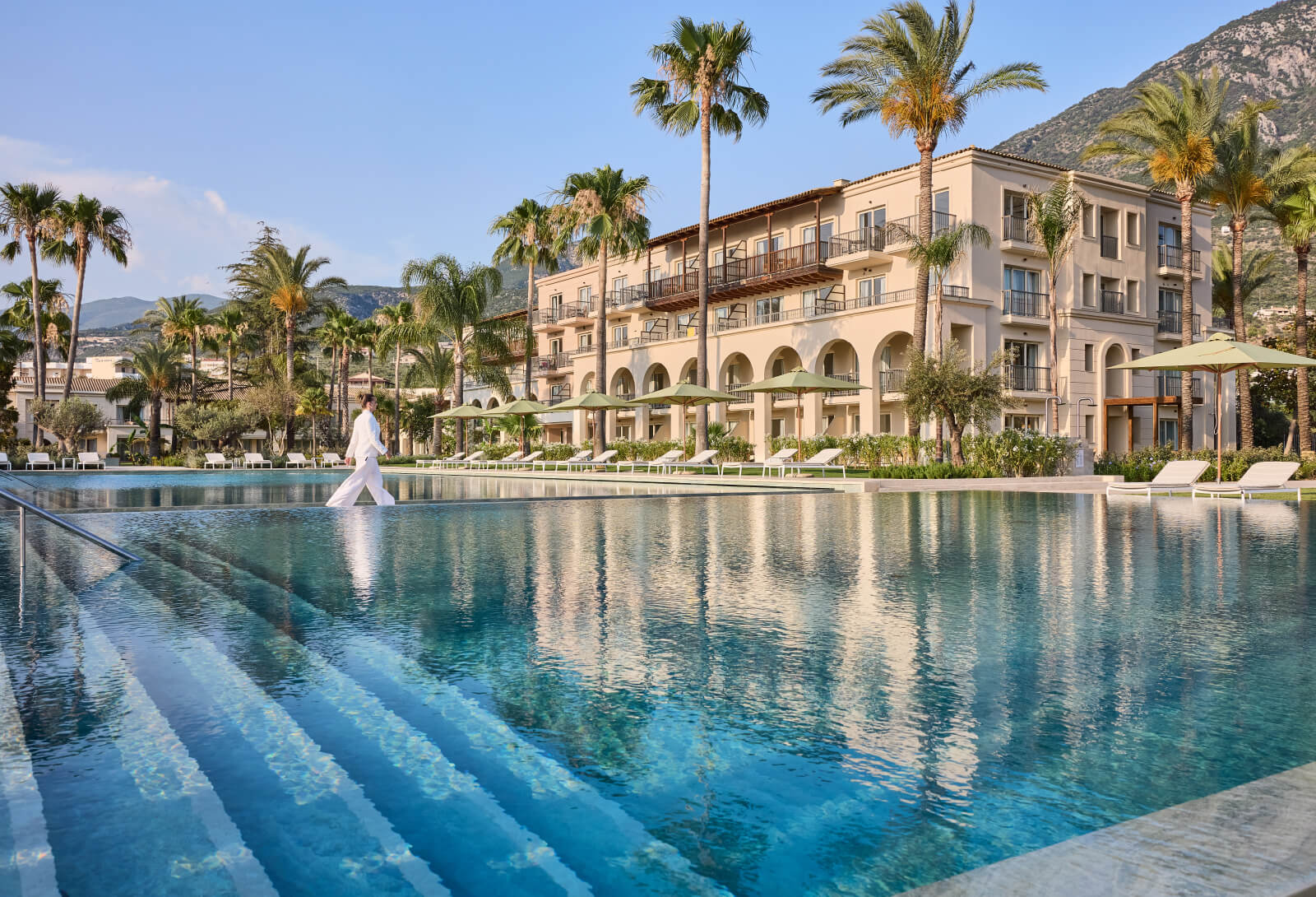
What I find particularly interesting is how contemporary many of these properties feel. Hotels such as Olea All Suite Hotel in Zakynthos, for example, show how strong design, architecture and a connection with the surrounding landscape can come together without necessarily relying on traditional codes of ultra-luxury.
At the other end of the spectrum, The Dolli in Athens is a very different proposition, but equally interesting: an urban hotel that combines a historic building, contemporary design and a very strong relationship with the city and the Acropolis.
For me, this is one of Greece’s strengths today. It has managed to develop a hospitality offer that feels current, design-conscious and aligned with the expectations of contemporary travellers, while still allowing each destination to retain its own identity.
Δείτε αυτή τη δημοσίευση στο Instagram.Η δημοσίευση κοινοποιήθηκε από το χρήστη THE DOLLI® at Acropolis (@thedolliacropolis)
Looking ahead to the next five years, what do you believe will define luxury most strongly: deeper personalisation, greater privacy, stronger human relationships, or something we are not yet paying enough attention to?
I think all of those elements will matter, but one of the biggest challenges for luxury will be preserving uniqueness.
Social media has already contributed to a certain standardisation of travel, with more and more people wanting to visit the same places, stay in the same hotels and experience the same things. AI could accelerate that even further by recommending the same destinations and the same experiences at scale.
For me, one of the real luxuries of the future will therefore be the ability to escape that standardisation: to discover places that still feel different, less crowded, less overexposed and more connected to their own identity.
And there is also a responsibility attached to that. In destinations such as Greece, hospitality development cannot come at the expense of nature and local character. Building more hotels can create value, but if it destroys the very landscapes and sense of place people are travelling for, the model becomes self-defeating.
So I think the future of luxury will not only be about offering more personalisation or more exclusive services. It will also be about protecting what is rare, preserving places before they become overexploited, and creating experiences that remain genuinely distinctive.